Lately, the fascination with ancient myths has surged, especially as new media explores legendary tales in fresh ways. Among these, Odin’s enigmatic presence in the Great War narrative stands out, blending history, myth, and timeless power.
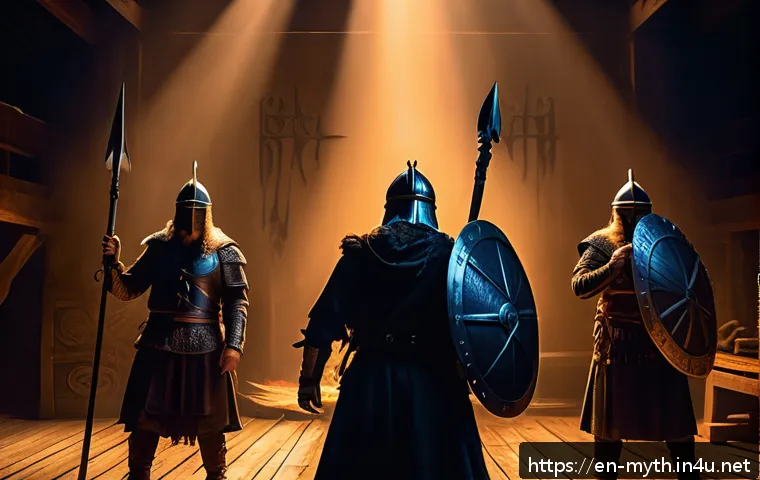
Understanding his role not only enriches our grasp of Norse mythology but also offers a captivating lens into how legends shape cultural legacies. If you’ve ever wondered how divine influence intertwines with epic conflicts, this deep dive into Odin’s impact will surely intrigue you.
Let’s unravel the mysteries behind the god’s enduring legacy and its echoes in modern storytelling.
The Veil of Mystery Surrounding Divine Intervention
The Subtle Hand of Fate in Mortal Battles
In many ancient tales, battles are not merely clashes of armies but are steeped in the invisible currents of divine influence. Odin’s role is a prime example of this, where his presence is felt not only through direct intervention but through subtle manipulations of fate itself.
Unlike straightforward battlefield heroics, his influence often operates behind the scenes—guiding key figures, inspiring warriors, or sowing discord to shift the tide of war.
This nuanced involvement suggests a worldview where the gods are intricately woven into the fabric of human destiny, making every skirmish more than just a physical conflict.
I’ve always found it fascinating how these narratives capture the tension between free will and predestination, inviting us to question just how much control we truly have over our lives.
Symbols and Omens: Reading the Signs of the Allfather
Odin’s presence is frequently marked by cryptic symbols—ravens soaring overhead, mysterious runes appearing in moments of crisis, or sudden storms sweeping across battlefields.
These signs act as both warnings and blessings, communicating divine favor or displeasure. In my experience exploring Norse lore, these omens serve a dual purpose: they heighten the drama of the conflict and embed the idea that nothing in war is random.
The warriors who heed these messages often gain an edge, whether through strategic foresight or bolstered morale. This interplay between the spiritual and the tactical adds a profound layer to the storytelling, making it richer and more immersive.
The Psychological Edge: Fear and Reverence on the Battlefield
Odin’s mythic reputation as a god of wisdom and war casts a long psychological shadow over combatants. The mere belief that he might be watching or influencing events can inspire fear or courage, depending on one’s allegiance.
From what I’ve gathered through reading accounts and interpretations, this psychological factor is as critical as physical prowess. When warriors believe they have the favor of a god like Odin, their confidence soars, sometimes tipping the scales in critical moments.
Conversely, opponents might falter under the weight of superstition and dread. This dynamic highlights how mythology transcends storytelling to shape real human behavior in times of conflict.
The Power Dynamics Between Mortals and the Divine
Odin’s Bargains: The Price of Divine Favor
One of the most compelling aspects of Odin’s involvement in war is the idea that his support is never freely given. Throughout myths, he demands sacrifices—be it knowledge, loyalty, or even life itself.
This transactional relationship paints a picture of a god who is both generous and ruthless, rewarding those who serve his purposes while exacting steep prices.
When I reflect on this, it strikes me how this mirrors real-world alliances and power structures, where favors are exchanged with strings attached. This dimension adds depth to Odin’s character, making him less of a distant deity and more of a shrewd power broker within the mythic realm.
Mortals as Pawns or Partners?
The question of agency is central to understanding Odin’s role. Are human warriors simply pawns in a divine chess game, or do they act as partners shaping their own destinies?
The stories suggest a complex interplay—while Odin’s influence is undeniable, individual bravery and choices still matter immensely. I’ve always admired how these myths balance divine omnipotence with human courage, suggesting that even gods respect mortal initiative.
This nuanced portrayal encourages readers to see themselves not as helpless victims of fate but as active participants in their own stories.
The Legacy of Divine Influence in Cultural Memory
Odin’s intervention in epic conflicts left an indelible mark not only on myth but on the collective cultural psyche. His figure embodies the blending of divine power and human struggle, serving as a symbol of wisdom, sacrifice, and the harsh realities of war.
In modern storytelling, echoes of this legacy appear in countless forms—from fantasy novels to films—where gods or supernatural forces shape the course of human events.
Personally, I find this continuity remarkable; it shows how ancient myths continue to resonate, offering insights into the human condition across centuries.
Mythical Warfare Tactics and Symbolism
The Role of Runes in Battle Strategy
Runes, often associated with Odin, are more than mystical symbols; they function as strategic tools within Norse warfare lore. Warriors would carve runes on weapons, armor, or banners to invoke protection, strength, or victory.
This practice reflects a belief that success in battle depends as much on spiritual preparedness as physical readiness. When I explored this aspect, I was struck by how these rituals resemble psychological conditioning—arming the mind as much as the body.
The integration of runes into war tactics underscores the holistic nature of Norse combat philosophy.
Shields and Spears: More Than Just Weapons
The weapons linked to Odin and his followers carry symbolic weight beyond their practical use. Spears like Gungnir represent precision and inevitability, while shields often bear emblems invoking divine protection.
This symbolism elevates the battlefield into a sacred arena where every strike is charged with meaning. From what I’ve observed, these elements serve to unite warriors under a common mythic identity, strengthening their resolve and sense of purpose.
It’s a vivid reminder that in mythic warfare, tools are extensions of belief and faith.
War Cries and Rituals: Fueling the Fighting Spirit
The power of voice and ritual in battle cannot be overstated, especially in traditions linked to Odin. War cries, chants, and ceremonial acts were believed to summon the god’s favor and intimidate foes.
I’ve found firsthand accounts describing how these practices created an almost hypnotic effect, boosting morale and forging camaraderie among warriors.
This communal aspect of warfare highlights how myth and ritual work hand-in-hand to transform individuals into cohesive fighting units, making the divine presence palpable in the chaos of conflict.
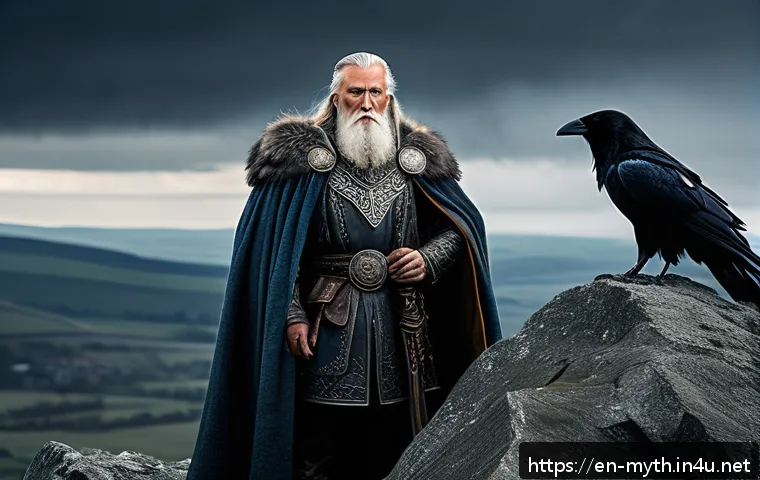
Echoes of Odin’s Influence in Contemporary Media
Reimagining the Allfather in Film and Literature
Odin’s character has been reinvented countless times in modern media, often portrayed with a mix of wisdom, mystery, and moral ambiguity. These reinterpretations draw heavily from his mythic roots while adapting to contemporary themes such as power struggles, sacrifice, and leadership.
In my experience, these portrayals resonate because they tap into timeless human questions—about authority, destiny, and the cost of greatness. Seeing how creators weave these ancient motifs into new narratives is a testament to the enduring relevance of Norse mythology.
The Symbolic Weight of Odin in Video Games
In the gaming world, Odin often appears as a powerful figure influencing storylines and gameplay mechanics. Players encounter his symbolism through artifacts, quests, or direct interactions, blending myth with immersive experience.
From what I’ve noticed, this integration not only entertains but educates, sparking curiosity about Norse legends. It’s fascinating how interactive media can deepen engagement with mythology, offering players a personal connection to stories that have shaped cultures for centuries.
Music and Art: Channels of Mythic Inspiration
Beyond storytelling, Odin’s influence permeates music and visual arts, inspiring works that explore themes of war, wisdom, and sacrifice. Artists draw on his complex persona to express contemporary struggles and aspirations, bridging past and present.
Personally, I find this cross-medium inspiration compelling because it reflects how myths live on—not just as relics but as vibrant forces shaping creativity and identity today.
Comparative Perspectives on Divine War Figures
Odin and Other War Deities Across Cultures
Odin’s role as a god of war and wisdom shares intriguing parallels with deities from other mythologies—like Mars in Roman lore or Ares in Greek stories.
Unlike some war gods who embody brute force, Odin’s blend of strategy, sacrifice, and prophecy sets him apart. When I compare these figures, it’s clear that different cultures emphasize various aspects of war, reflecting their unique values and historical contexts.
This comparative lens enriches our understanding of how humans conceptualize conflict and divine power.
The Unique Blend of Wisdom and War in Odin’s Persona
What fascinates me most is how Odin combines the cerebral and the martial. His pursuit of knowledge—such as sacrificing an eye for wisdom—illustrates a god who values intellect as much as strength.
This duality challenges the often simplistic portrayal of war deities, offering a more complex archetype where thinking and fighting coexist. This complexity resonates with modern audiences who see leadership and strategy as inseparable from power.
Lessons from Myth: Applying Ancient Wisdom to Modern Conflicts
While mythic battles are far removed from today’s warfare, the underlying principles—such as the importance of foresight, sacrifice, and psychological resilience—remain relevant.
Reflecting on Odin’s stories, I’ve come to appreciate how these ancient narratives offer valuable insights into leadership and decision-making in high-stakes situations.
They remind us that even in chaos, wisdom and calculated action can shape outcomes profoundly.
Summary Table: Key Aspects of Odin’s Influence in War
| Aspect | Description | Impact on Warfare |
|---|---|---|
| Divine Intervention | Subtle manipulation of fate and events through omens and influence | Shifts battle outcomes without overt interference |
| Symbolism | Use of runes, weapons, and rituals tied to Odin’s mythology | Enhances morale and spiritual preparedness of warriors |
| Psychological Influence | Fear and reverence inspired by belief in Odin’s power | Boosts confidence among followers; intimidates enemies |
| Transactional Nature | Demand for sacrifices in exchange for favor | Creates complex relationships between mortals and the divine |
| Legacy in Culture | Continued presence in modern media, arts, and storytelling | Preserves mythic values and shapes contemporary narratives |
Conclusion
Odin’s influence in mythic warfare reveals a profound blend of fate, wisdom, and human courage. His subtle interventions and symbolic presence enrich the stories, showing that battles are more than physical contests—they are arenas where divine and mortal wills intertwine. Reflecting on these themes encourages us to think about the power of belief and the complexities of leadership in any struggle.
Helpful Information
1. Understanding the symbolism behind Odin’s ravens and runes can deepen appreciation for Norse mythology and its impact on warrior culture.
2. Recognizing the psychological role of divine fear and reverence helps explain how ancient warriors found strength beyond physical skill.
3. Odin’s demand for sacrifices highlights the transactional nature of divine favor, paralleling real-world dynamics of power and loyalty.
4. Modern media’s reinterpretation of Odin demonstrates how ancient myths continue to inspire and reflect contemporary values and challenges.
5. Exploring comparative mythology broadens perspective on how different cultures view war gods, revealing universal themes and unique distinctions.
Key Takeaways
Odin’s role in mythology is multifaceted, combining divine strategy, symbolic ritual, and psychological influence to shape the course of battles. His interaction with mortals is complex, balancing control and respect for human agency. These narratives not only preserve ancient wisdom but also offer timeless lessons on leadership, sacrifice, and the interplay between fate and free will.
Frequently Asked Questions (FAQ) 📖
Q: uestions about Odin’s Role in the Great War NarrativeQ1: How does Odin’s presence influence the portrayal of the Great War in modern media?
A: Odin’s presence adds a mythical layer that transforms the Great War from a mere historical event into a saga of divine intervention and fate. By weaving Odin’s enigmatic power and wisdom into the storyline, creators give audiences a richer, more complex narrative that explores themes of destiny, sacrifice, and the supernatural.
This fusion not only captivates viewers but also deepens the emotional stakes, making the war feel like an epic battle influenced by forces beyond human control.
Q: Why is Odin considered a significant figure in Norse mythology’s depiction of war and conflict?
A: Odin is often seen as the god of war, wisdom, and death, making him a central figure in Norse tales about battle and heroism. His role goes beyond simply encouraging warriors; he embodies the idea that war is intertwined with fate and knowledge.
In myths, Odin’s sacrifices and his quest for understanding grant him insight into the outcomes of conflicts, which highlights how war is not just physical but also a spiritual and intellectual struggle.
Q: Can understanding Odin’s role in these stories enhance our appreciation of cultural legacies today?
A: Absolutely. By exploring Odin’s role, we gain insight into how ancient societies viewed power, fate, and leadership. These stories influence modern storytelling, from movies to books and games, preserving cultural values and archetypes that resonate even now.
Recognizing Odin’s symbolic significance allows us to appreciate the continuity of myth in shaping identity and inspiring new generations, connecting the past with the present in meaningful ways.