Harpies are Greek-rooted bird-human creatures, while “wind yokai” is not a single fixed Japanese creature category. A winged character with wind powers may be inspired by either tradition, both traditions, or an entirely modern fantasy design.
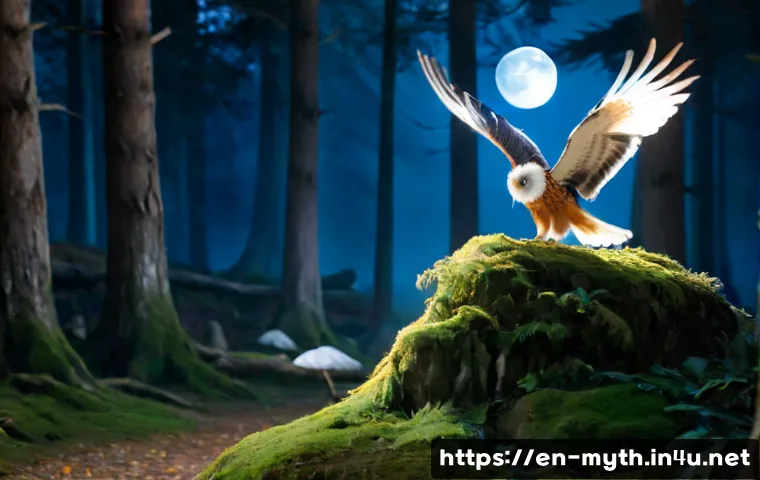
The safest way to identify it is to check the official name, setting, behavior, and source material rather than relying on appearance alone. This matters especially in games and anime, where mythology terms are often remixed for new characters.
A reliable mythology reference, official game guide, or verified digital database can help when fan labels conflict.
At a Glance
- Harpies are commonly portrayed as bird-like and human-like beings with roots in ancient Greek mythology.
- Yokai is a broad Japanese term for supernatural beings, not one creature species or one visual design.
- A wind-based creature in a game may use folklore inspiration, a translation choice, or an original fantasy concept.
| Comparison Point | Harpy | Wind-Associated Yokai |
|---|---|---|
| Origin | Ancient Greek mythology | Japanese folklore context, but not one fixed species |
| Typical Form | Commonly bird-like and human-like | Varies by source, region, translation, and adaptation |
| Common Fantasy Clue | Wings, feathers, talons, or a bird-human silhouette | Wind imagery, supernatural setting, and Japanese-inspired terminology |
| Best Reference Type | Mythology book or folklore reference | Japanese folklore resource plus the official work’s description |
| Best Way to Confirm Game Lore | Official guide, in-game glossary, or creator material | Official terminology, current database, or licensed guide |
The Quick Difference Between Harpies and Wind-Associated Yokai
The quick answer is simple: a harpy is a recognized Greek mythology creature type, while a wind-associated yokai may refer to many different supernatural ideas. “Yokai” does not automatically tell you the creature’s exact body shape, powers, or personality. If a title uses both bird imagery and wind attacks, it may be combining motifs rather than presenting a direct folklore version.
Harpies as Greek-Inspired Bird-Human Creatures
In fantasy media, harpies are commonly identified through a bird-human design. Feathers, wings, talons, aerial movement, and flock-like behavior may all point toward a harpy-inspired creature. Still, these traits are clues rather than proof. A modern artist may use the same visual language for an original monster without claiming a Greek source.
Why “Wind Yokai” Is Not Always a Single Fixed Creature Category
Yokai is an umbrella term for Japanese supernatural beings. Wind-related descriptions can change depending on the source, regional tradition, translation, or modern retelling. For that reason, “wind yokai” can be useful as a broad search phrase, but it is not enough to establish one official creature identity.
What to Check When the Name Appears in a Game or Fantasy Story
Start with the exact spelling used in the game, book, quest log, or creator description. Then check whether the term is presented as a species name, an enemy class, a nickname, or a fan label. Official terminology matters more than a search tag, particularly when a translated release uses a different name from the original version.
Compare Origin, Appearance, Powers, and Story Role
To identify a creature well, separate its folklore background from its role in a modern story. A character can have wings associated with harpies, wind effects associated with a Japanese-inspired setting, and a completely original personality. Those elements do not have to come from one historical source.
Folklore Source Versus Modern Character Design
A mythology source explains where a creature concept may come from. A character design explains how a current game, anime, or novel uses that concept. Keep these questions separate: “What does the original tradition describe?” and “What does this specific work call its creature?” A licensed art book can be especially helpful for visual intent, while an official strategy guide may be more useful for gameplay classifications.
Bird Features, Wind Powers, and Personality Clues
Bird features can suggest a harpy influence, but wind powers alone do not settle the question. Look at the creature’s setting, dialogue, faction, enemy entry, and stated origin. A Japanese-inspired location may suggest yokai influence, but it still does not confirm a specific folklore being. Behavior and official labels usually provide stronger evidence than wings or elemental attacks.
Comparison Table for Fast Identification
Use the table above as a first filter, not as a final verdict. If the creature comes from a known game or book series, the official description should take priority over a general mythology comparison. This prevents a common mistake: forcing a modern character into a folklore category that the creators never claimed.
How to Research an Unfamiliar Creature Name Safely
Research works best when you move from the most direct source to broader context. Begin with the work itself, then compare it with established mythology or folklore references. This approach is useful whether you are reading lore for fun, building a character, or selecting a game guide.
Start With the Official Game, Book, or Creator Description
Check in-game codex entries, official character pages, published creator notes, and licensed reference material. These sources can clarify whether a creature is canonically called a harpy, a yokai, or something original. For players, an updated digital guide may be more practical than an older printed guide if the game has changed over time.
Separate Translations, Fan Names, and Canon Terminology
Translations may use familiar English terms to make a concept easier to understand. Fans may also adopt a short label before an official translation appears. Treat both as useful leads, not final proof. Compare the wording across official editions when possible, especially if a creature name appears differently in subtitles, menus, or promotional material.
Avoid Treating Artwork Tags as Verified Lore
Artwork tags can describe mood, style, or visual inspiration. They may say “harpy,” “yokai,” or “wind spirit” without identifying a canonical species. Use art tags to find related material, then verify the claim through official lore, a well-edited mythology reference, or a source that clearly distinguishes interpretation from fact.
Common Mistakes When Identifying Fantasy Creatures
The biggest identification errors happen when a broad visual clue is treated as a complete answer. Fantasy creators often borrow across cultures on purpose, so a careful comparison is more useful than a quick label.

Assuming All Winged Humanoids Are Harpies
Wings and human features are not exclusive to harpies. A winged humanoid might be an original species, a divine messenger, a bird spirit, or a creature shaped by a game’s own setting. Look for direct naming and story context before calling it a harpy.
Treating Yokai as One Unified Monster Type
Calling every Japanese-inspired supernatural being “a yokai” can be broadly acceptable, but it lacks detail. Yokai is not a single monster design with fixed powers. If a source gives a more precise official name, use that name first and retain “yokai” as cultural context.
Mixing Historical Folklore With Gameplay Mechanics
A boss’s wind attack, rarity tier, or elemental weakness is usually a modern gameplay choice. It should not be assumed to describe historical folklore. Use a game database or strategy guide for mechanics, and use a mythology resource for cultural and literary context.
When a Guidebook, Art Book, or Digital Database Is Worth Using
A reference resource is worth using when it answers a question that a quick fan summary cannot answer reliably. The best choice depends on whether you need canon details, visual development material, gameplay information, or folklore background.
Best Options for Players Seeking Gameplay Details
Choose an official strategy guide or an updated digital database when you need enemy names, classifications, abilities, or quest context. Check whether the edition matches the version you play. An older guide may still be valuable for art and story notes, but its gameplay details may need confirmation.
Best Options for Readers Seeking Folklore Context
For mythology context, look for a reference that clearly identifies its cultural scope and separates historical material from modern fiction. A focused folklore book can be more useful than a general monster encyclopedia when you want to understand why a label such as “harpy” or “yokai” carries different expectations.
What to Compare Before Paying for a Reference Resource
Check official licensing, edition date, image quality, update status, and source clarity. An art book is useful for designs and concept direction. A guidebook is useful for official classifications and mechanics. A searchable digital reference is useful when you need quick comparisons across names and translations.
Choosing a Reliable Reference: Comparison Summary
Before choosing a reference, check whether it is officially licensed, whether its edition date matches the work you are researching, whether images are clear enough to compare design details, and whether digital entries show an update status. Choose official guides for canon details, folklore resources for cultural context, and community sources only as leads to verify. For a guidebook, art book, or digital reference, review the official description and edition details on the relevant product page before deciding.
In Closing
Harpies and wind-associated yokai can overlap in modern fantasy imagery, but they begin from different reference points. A harpy label usually points toward Greek-inspired bird-human traits. Yokai is broader and requires more context. When a source title is unknown, the most accurate answer is often to describe the visible traits and note what still needs verification.
Useful Extra Information
1. Search the exact creature name before searching a broad category.
2. Compare official wording across translations when names differ.
3. Use art books for design intent and guides for game-specific facts.
4. Treat fan terminology as a starting point, not a final citation.
Important Notes
Without an identified game, book, character, or creator source, no canonical appearance, abilities, rarity, or storyline can be confirmed. Modern adaptations may blend Greek and Japanese folklore traits freely. A creature’s name alone may not establish its original folklore source, especially in translated or fan-made material.
Frequently Asked Questions
Q1. Are harpies considered yokai?
A1. No. Harpies are rooted in ancient Greek mythology, while yokai is a broad Japanese term for supernatural beings. A modern fictional work may blend the ideas, but that does not make the original categories the same.
Q2. Is there one official Japanese yokai that represents the wind?
A2. “Wind yokai” should not be treated as one universal fixed category. Wind-related supernatural beings may be described differently depending on the source, translation, region, or modern adaptation.
Q3. What is the best way to verify whether a harpy or wind creature is from a specific game or folklore source?
A3. Start with the official game, book, or creator description. Then compare that terminology with a reliable mythology or folklore reference. If fan summaries disagree, prioritize official material and clearly dated, well-sourced references.