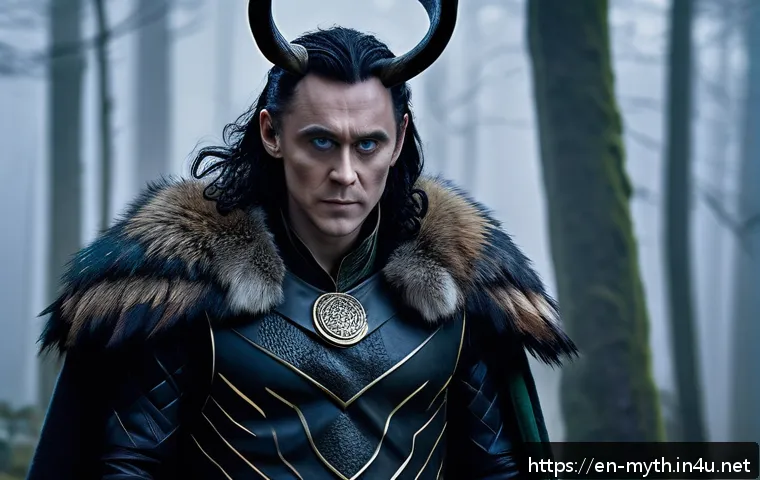
With Loki making waves again in the latest Marvel releases, it’s the perfect time to dive into the fascinating world of this enigmatic trickster god. Whether you’re a mythology buff or a Marvel fan, Loki’s influence stretches far beyond mere mischief.
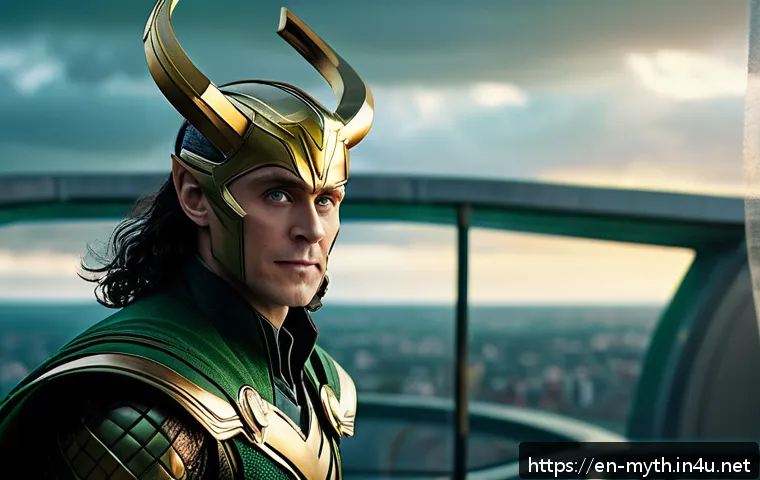
His complex character not only challenges gods and heroes but also shapes stories with unpredictability and depth. In this post, we’ll explore how Loki’s chaotic spirit weaves through ancient myths and modern comics alike, revealing why he remains such a captivating figure today.
Stick around to uncover the layers behind the god of chaos and see how his legacy continues to evolve.
The Many Faces of Loki: From Myth to Marvel
Origins and Family Ties
Loki’s roots stretch deep into Norse mythology as a figure both beloved and feared. Born to the giant Fárbauti and the giantess Laufey, Loki’s heritage is a complex mix of giant and godly blood.
This duality is part of what makes him so intriguing—he straddles worlds and loyalties, never fully fitting into one camp. His relationships with the Aesir gods, especially Odin and Thor, oscillate between friendship, rivalry, and outright betrayal.
These tangled family dynamics add layers to his character, making him more than just a simple trickster. The fact that he fathers some of the most terrifying creatures in mythology, like Fenrir the wolf and Jormungandr the world serpent, further cements his role as a figure capable of both chaos and creation.
Trickery as a Survival Tool
Loki’s mischief is often his way of navigating a harsh and unforgiving world. His cleverness isn’t just for laughs; it’s a survival mechanism. Time and again, he uses wit and deception to get out of impossible situations or to turn the tables on more powerful beings.
What’s fascinating is how his tricks sometimes cause problems but also solve them—he’s a catalyst for change, whether good or bad. This unpredictability keeps gods and mortals alike on edge.
For example, when Loki cuts off Sif’s golden hair, he quickly remedies the situation by commissioning the dwarves to craft magical hair, a reminder that his chaos often leads to unexpected gifts.
Comparing Mythic Loki and Cinematic Loki
Marvel’s portrayal of Loki has popularized the character globally, but it’s interesting to see how the cinematic version aligns and diverges from the ancient myths.
The Marvel Loki is charming, conflicted, and occasionally sympathetic, which has won over fans who might not have been drawn to the more ruthless mythological figure.
While Norse myths often paint him as a darker force of destruction and chaos, the MCU adds emotional depth and humor, making him relatable. This modern reinterpretation gives Loki a more layered personality, showing his vulnerability alongside his cunning.
The balance between villain and antihero in Marvel’s Loki keeps audiences guessing, much like his mythic counterpart’s unpredictable nature.
Unraveling Loki’s Role in Cosmic Events
Agent of Change and Chaos
Loki’s role in mythology isn’t merely to cause trouble; he’s a pivotal force in cosmic balance. His actions, whether destructive or constructive, often trigger major events that reshape the world.
The concept of Ragnarok, the Norse apocalypse, is tightly linked to Loki’s deeds. He’s prophesied to lead the forces of chaos against the gods, signaling the end of the old order and the beginning of something new.
This dual nature of destruction and renewal is key to understanding why Loki remains a compelling figure. He embodies the idea that chaos isn’t just negative; it’s also necessary for transformation and growth.
Manipulation of Fate and Destiny
Loki’s cleverness extends beyond tricks to manipulating fate itself. In many tales, he bends the rules of destiny, often outsmarting those who believe themselves in control.
His ability to shape outcomes highlights his role as a liminal figure—existing on the borders of order and disorder. This manipulation adds a philosophical dimension to his character, raising questions about free will and inevitability.
Loki’s presence in stories forces gods and humans alike to confront the limits of their power and the unpredictability of life.
Echoes in Popular Culture
From ancient sagas to blockbuster films, Loki’s influence reverberates through popular culture. His archetype as a trickster god has inspired countless characters across literature, television, and gaming.
The enduring appeal lies in his complexity—he’s neither wholly good nor evil, but a reflection of human contradictions. This makes him relatable in a way that straightforward heroes or villains often aren’t.
Whether it’s in a Viking epic or a Marvel movie, Loki’s legacy continues to evolve, demonstrating the timelessness of his story.
The Symbolism Behind Loki’s Mischief
Chaos as a Creative Force
It’s easy to dismiss Loki’s antics as mere troublemaking, but his chaos often sparks creativity and innovation. In mythology, his pranks and schemes break stagnant patterns, forcing gods and mortals to adapt and grow.
This concept resonates in many cultures where trickster figures symbolize change and renewal. Loki challenges complacency, reminding us that disruption can lead to progress.
His stories illustrate that chaos isn’t just destruction—it’s a vital part of life’s dynamic flow.
The Duality of Light and Darkness
Loki embodies contradictions: he’s charming yet dangerous, helpful yet harmful, godly yet giant. This duality makes him a powerful symbol of the human condition, where light and darkness coexist.
His shifting nature reflects the complexity of morality and identity, showing that people—and gods—can’t be easily boxed into categories. This nuanced portrayal encourages empathy and a deeper understanding of the shades of gray in any personality or situation.
Loki as a Mirror to Society
Looking at Loki through a modern lens, he can be seen as a reflection of societal tensions and challenges. His defiance of authority and subversion of norms speak to the struggles against rigid structures and injustice.
By embodying rebellion and unpredictability, Loki resonates with those who question the status quo. His stories remind us that progress often requires challenging established power and embracing uncertainty.
The Evolution of Loki’s Character Over Time
From Norse Lore to Renaissance Interpretations
Over centuries, Loki’s image has shifted dramatically. Early Norse texts depict him as a dangerous figure, but later interpretations softened or altered his role.
During the Renaissance, interest in mythology revived, and Loki’s character was adapted to fit new cultural narratives. These reinterpretations often emphasized his cleverness and wit, sometimes downplaying his darker aspects.
This evolution shows how myths adapt to the values and concerns of different eras, keeping Loki relevant across generations.
Modern Adaptations and Fan Interpretations
Today, Loki’s character is a canvas for diverse storytelling, from comics to TV shows and fan fiction. Modern creators explore his psychology, motivations, and relationships with unprecedented depth.
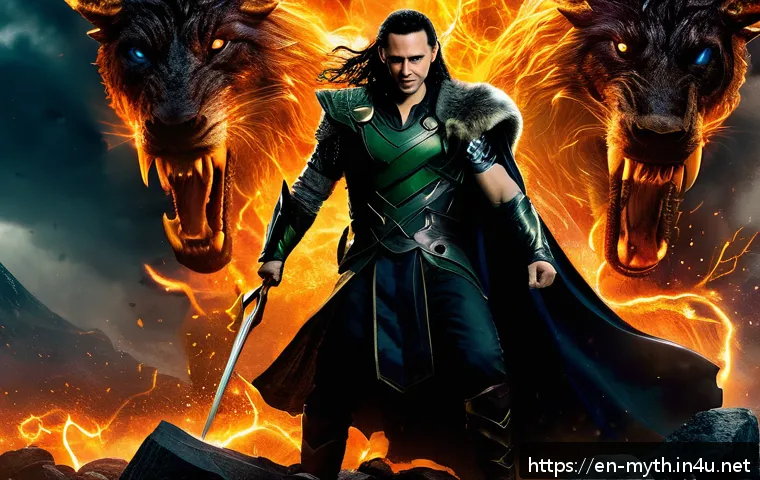
Fans often embrace his complexity, creating communities and content that celebrate his multifaceted nature. This participatory culture adds new layers to Loki’s legacy, making him a living myth that grows with each retelling.
The Impact of Actor Portrayals
The portrayal of Loki by actors like Tom Hiddleston has had a huge impact on public perception. The charisma and nuance brought to the role have humanized Loki, making him a beloved antihero.
This performance has influenced how writers approach the character, blending mythological roots with contemporary sensibilities. The actor’s interpretation adds emotional resonance, showing how performance can shape the legacy of legendary figures.
Decoding Loki’s Powers and Abilities
Shape-shifting and Illusion Crafting
One of Loki’s most fascinating traits is his ability to change form and create illusions. This power isn’t just for deception; it allows him to navigate different realms and situations with ease.
Whether transforming into animals, humans, or even inanimate objects, Loki’s shape-shifting highlights his adaptability and resourcefulness. His illusions confuse enemies and allies alike, making him a master of psychological warfare.
This supernatural flexibility is central to his identity as a trickster who defies expectations.
Magic and Sorcery
Loki’s command over magic sets him apart from other gods. His sorcery encompasses spells, curses, and enchantments that can manipulate reality. This mystical knowledge often complements his cunning, enabling him to pull off seemingly impossible feats.
Unlike brute strength, Loki’s magic is subtle and strategic, reflecting his preference for brains over brawn. His magical prowess adds an air of mystery and danger, keeping others wary of his true capabilities.
Intellect and Strategic Thinking
Beyond supernatural gifts, Loki’s greatest strength lies in his mind. His intelligence is sharp and quick, allowing him to outthink opponents and anticipate their moves.
This strategic thinking is evident in both mythological stories and modern narratives where he often engineers elaborate plans. Loki’s cleverness isn’t just about personal gain; it’s also a way to challenge authority and expose flaws in the system.
His mental agility makes him a formidable figure whose influence extends beyond raw power.
Tracing Loki’s Influence Across Cultures
Trickster Archetypes Worldwide
Loki is part of a broader tradition of trickster figures found in cultures around the world. From the Native American Coyote to the African Anansi spider, these characters share traits of cunning, mischief, and boundary-breaking.
Comparing Loki to these archetypes reveals universal themes about human nature and societal norms. Tricksters challenge order, question authority, and bring humor to serious situations.
Loki’s stories resonate globally because they tap into these shared human experiences.
Adoption in Contemporary Media and Literature
Loki’s trickster qualities have inspired countless works beyond mythology and comics. Writers, filmmakers, and artists borrow from his essence to create characters who are complex, unpredictable, and engaging.
This cultural diffusion shows how Loki’s myth transcends its origins, adapting to new contexts and audiences. His figure provides a rich source for exploring themes of identity, power, and morality in contemporary storytelling.
Symbolic Use in Psychology and Philosophy
Interestingly, Loki has also found a place in psychological and philosophical discussions. Some view him as a symbol of the shadow self—the parts of ourselves that are hidden, chaotic, or disruptive.
Exploring Loki through this lens offers insights into how we confront inner conflicts and embrace complexity. Philosophers sometimes use his stories to illustrate ideas about chaos, order, and transformation.
This symbolic use highlights Loki’s enduring relevance beyond entertainment.
| Aspect | Mythological Loki | Marvel Loki |
|---|---|---|
| Origin | Giant lineage, son of Fárbauti and Laufey | Adopted son of Odin, born a Frost Giant |
| Personality | Chaotic, often malicious, unpredictable | Complex, charming, conflicted antihero |
| Abilities | Shape-shifting, magic, cunning | Magic, illusion, combat skills |
| Role | Agent of chaos, catalyst for Ragnarok | Villain turned hero, complex motivations |
| Relationships | Trickster among gods and giants, father of monsters | Brother to Thor, complicated family ties |
In Conclusion
Loki’s story is a fascinating blend of chaos, creativity, and complexity that has evolved through centuries. Whether in ancient myths or modern media, he remains a symbol of unpredictability and transformation. His layered character challenges simple labels, making him endlessly intriguing and relevant today.
Useful Information to Know
1. Loki’s origins as a half-giant set him apart from other gods, giving him a unique perspective on both worlds.
2. His trickery is more than mischief—it’s often a clever survival strategy that leads to unexpected outcomes.
3. Modern portrayals, especially in Marvel, add emotional depth that makes Loki relatable beyond his mythological roots.
4. Loki’s role in cosmic events like Ragnarok highlights the necessity of chaos for renewal and change.
5. His abilities, from shape-shifting to magic, emphasize intellect and adaptability rather than brute strength.
Key Takeaways
Loki embodies the balance between order and disorder, serving as both a disruptor and a catalyst for growth. Understanding his dual nature helps us appreciate the complexity of myths and their impact on culture. His evolution across history and media reflects changing societal values, while his symbolic role encourages us to embrace life’s uncertainties with curiosity and resilience.
Frequently Asked Questions (FAQ) 📖
Q: How does Loki’s character in mythology differ from his portrayal in Marvel comics and movies?
A: Loki in Norse mythology is a much more ambiguous and morally complex figure than the mostly playful trickster seen in Marvel adaptations. In myths, he’s responsible for both helping and harming the gods, often causing chaos that leads to serious consequences, including the death of Baldr.
Marvel’s version, while still mischievous, leans more into his charm and conflicted anti-hero qualities, making him relatable and even sympathetic to audiences.
This shift helps Marvel explore themes of identity and redemption, which aren’t as prominent in traditional stories.
Q: Why has Loki remained such a popular character across different media and generations?
A: Loki’s appeal lies in his unpredictability and depth—he’s not just a villain or a hero, but a complex figure who challenges the status quo. People connect with his struggle between chaos and order, and his ability to reinvent himself resonates with modern audiences facing constant change.
Plus, his wit and cunning make him endlessly entertaining. From ancient sagas to blockbuster films and TV shows, Loki’s character invites viewers to question authority and embrace the messy, sometimes dark side of human nature.
Q: What are some key myths about Loki that Marvel fans might find surprising?
A: One surprising myth is Loki’s role in the death of Baldr, a beloved god whose death triggers Ragnarok, the end of the world in Norse lore. Unlike Marvel’s often playful Loki, the mythological Loki’s actions have dire consequences.
Another unexpected fact is that Loki is sometimes depicted as shape-shifting into animals, including a mare, which led to the birth of the eight-legged horse Sleipnir—Odin’s famous steed.
These stories add layers to Loki’s character that go beyond the typical “trickster” label, showing a darker and more transformative side that Marvel touches on but doesn’t fully explore.