
Lately, discussions around mythology have surged, sparking fresh curiosity about ancient tales that still resonate today. Among these timeless stories, the myth of Zeus and Ganymede stands out with its intriguing blend of power, divinity, and transformation.
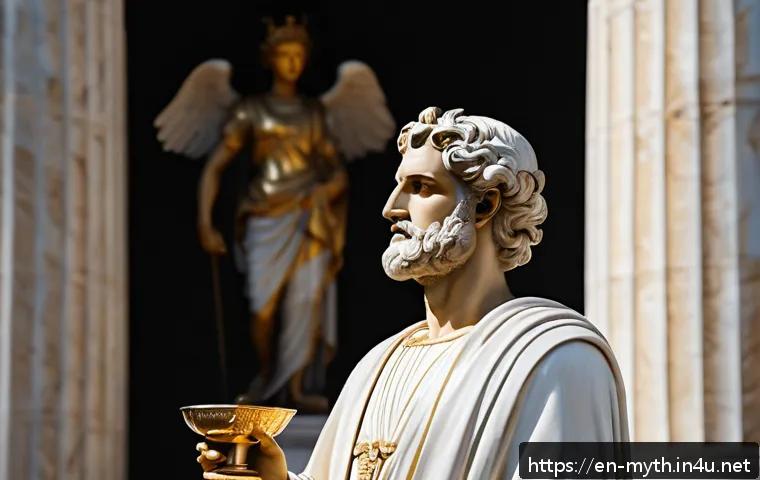
This captivating narrative not only reveals the complexities of Olympus but also reflects enduring themes of desire and destiny. If you’ve ever wondered how a simple abduction shaped the dynamics of the gods, this deep dive will shed new light on the legend.
Join me as we unravel the layers behind one of mythology’s most fascinating episodes.
The Divine Encounter: A Tale of Unexpected Bonds
The Moment of Abduction
The story begins with a seemingly ordinary boy, Ganymede, whose beauty and grace caught the eye of the king of gods. Zeus, captivated by the youth’s charm, transformed himself into an eagle to seize Ganymede and carry him away to Mount Olympus.
This dramatic act wasn’t just a simple kidnapping; it symbolized the intersection of mortal innocence and divine desire. What’s striking here is how this moment sets the tone for the relationship that follows—one marked by both reverence and transformation.
The myth captures a vivid image of power dynamics, where the god’s overwhelming force contrasts with Ganymede’s youth and vulnerability, making their connection all the more compelling.
From Mortal to Immortal: The Gift of Olympus
Once aboard Olympus, Ganymede’s fate changed forever. Zeus granted him immortality and a prestigious role as the cupbearer to the gods, serving nectar and ambrosia.
This wasn’t merely a reward; it was a profound transformation that elevated a mortal to divine status. The role itself carried symbolic weight, emphasizing trust and closeness to the gods.
It’s fascinating how this shift reflects broader themes in mythology about transcendence and the fluid boundaries between gods and humans. Ganymede’s ascent challenges the notion of fixed social order and invites readers to ponder the possibilities of divine favor and destiny.
The Complex Nature of Desire and Power
This myth is far from a straightforward tale of abduction. It explores layered themes of desire, consent, and the exercise of power. Zeus’s attraction to Ganymede is often interpreted as a reflection of divine yearning, but it also raises questions about autonomy and agency.
The story invites us to think about how desire operates in relationships marked by imbalance—whether between gods and mortals or in any unequal dynamic.
It’s this tension that makes the myth resonate so deeply, as it mirrors real human experiences of love, admiration, and sometimes coercion.
Symbolism and Cultural Impact Through the Ages
Artistic Representations
Throughout history, artists have been captivated by this myth, producing countless paintings, sculptures, and literary works that reinterpret the story.
From Renaissance masters to modern creators, Ganymede’s image as the beautiful youth carried away by an eagle has become iconic. Each artwork adds layers of meaning—sometimes emphasizing innocence, other times focusing on the divine romance or the controversial aspects of the myth.
This diversity showcases how mythology evolves in the cultural imagination, reflecting changing values and societal norms.
Influence on Literature and Popular Culture
The myth’s themes have permeated literature and popular culture, inspiring poets, novelists, and filmmakers. Writers often use the story as a metaphor for transformation, forbidden love, or the tension between freedom and fate.
In contemporary settings, references to Ganymede pop up in everything from fantasy novels to music lyrics, proving the myth’s enduring relevance. Its adaptability speaks to the universal nature of its core messages—beauty, power, and the complexities of relationships.
Modern Interpretations and Discussions
Today, scholars and enthusiasts debate the myth through lenses of gender, sexuality, and power structures. Some view it as an early example of LGBTQ+ themes in mythology, while others critique the power imbalance inherent in Zeus’s actions.
This ongoing conversation highlights how ancient stories continue to provoke thought and dialogue. They serve as mirrors reflecting our evolving understanding of identity and ethics, making the myth of Ganymede a living narrative rather than a static relic.
Mythological Characters and Their Roles
Zeus: The God of Thunder and Desire
Zeus is not just the king of the gods; his character embodies authority, control, and complexity. His desire for Ganymede reveals a more personal, vulnerable side beneath his powerful exterior.
This duality makes Zeus a fascinating figure—both commanding and capricious, capable of love and domination. Understanding Zeus’s multifaceted nature helps unpack the myth’s deeper meanings, where power is intertwined with personal longing.
Ganymede: The Eternal Youth
Ganymede’s role goes beyond that of a mere victim or object of desire. He represents youth, beauty, and the possibility of transcendence. His acceptance of immortality and service among gods reflects themes of adaptation and survival in extraordinary circumstances.
Ganymede’s story encourages empathy, inviting us to see him not only as a symbol but as a character with his own agency and transformation.
Supporting Figures and Their Significance
While Zeus and Ganymede take center stage, other figures in mythology provide context and contrast. Hera’s reaction, other gods’ roles at Olympus, and mortal families affected by the abduction add depth to the story.
These characters highlight the ripple effects of divine actions, showing how myths often explore interconnected relationships and consequences.
Lessons and Reflections from the Myth
The Nature of Consent and Power
Reflecting on the myth today, the questions of consent and power imbalance are unavoidable. Zeus’s unilateral decision to take Ganymede raises ethical dilemmas that resonate beyond mythology.
It challenges readers to consider how power can shape relationships and the importance of agency, even in stories from ancient times.
The Transformative Power of Myth
This story illustrates how myths act as vessels for transformation—both literal and metaphorical. Ganymede’s journey from mortal boy to immortal cupbearer symbolizes change, growth, and the crossing of boundaries.
It reminds us that myths are not just entertainment but tools for exploring human experience and aspirations.
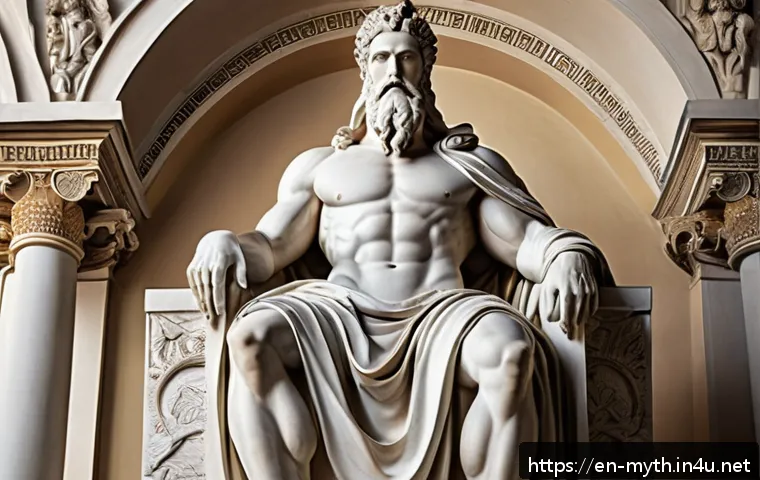
Embracing Complexity in Ancient Narratives
One of the most valuable takeaways is learning to appreciate the complexity and ambiguity in myths. They don’t always offer clear moral lessons but instead present multifaceted scenarios that provoke thought.
The Zeus and Ganymede myth encourages us to embrace nuance and recognize that stories from the past can still challenge and inspire us today.
Comparative Analysis: Similar Myths Across Cultures
Stories of Divine Abductions
The theme of gods abducting mortals appears across many mythologies worldwide. For example, in Norse myths, Odin’s interactions with humans often involve mysterious and transformative encounters.
Similarly, Hindu mythology includes tales of gods taking mortal forms to engage with humans in complex ways. These stories share motifs of power, transformation, and the crossing of realms, showing a universal fascination with divine-human relationships.
Youth and Immortality in Mythology
Many cultures celebrate youth and immortality through myths. The Greek tale of Ganymede parallels stories like the Chinese legend of the Jade Emperor bestowing immortality or the Celtic myths of eternal youth in the Otherworld.
These narratives reflect humanity’s enduring desire to transcend mortality and capture beauty or purity forever.
Power Dynamics and Moral Lessons
While the details vary, myths involving gods and mortals often explore power imbalances and ethical questions. Whether in Egyptian, Mesopotamian, or Indigenous American stories, the dynamics between divine beings and humans raise issues of respect, consent, and destiny.
Comparing these myths helps us understand how ancient cultures grappled with complex social and spiritual themes.
Key Elements of the Zeus and Ganymede Myth at a Glance
| Element | Description | Symbolic Meaning |
|---|---|---|
| Zeus | King of gods, who abducts Ganymede | Power, authority, divine desire |
| Ganymede | Mortal youth taken to Olympus | Youth, beauty, transformation |
| Abduction | Zeus carries Ganymede away as an eagle | Intersection of mortal and divine realms |
| Immortality | Ganymede granted eternal life and divine role | Transcendence, acceptance, favor |
| Cupbearer Role | Serving nectar and ambrosia to gods | Trust, closeness to divinity, service |
The Myth’s Place in Contemporary Conversations
Reevaluating Ancient Myths Through Modern Lenses
Modern audiences often revisit myths like this one with fresh eyes, questioning traditional interpretations and exploring new meanings. The Zeus and Ganymede story, with its complex interplay of love, power, and transformation, invites ongoing reinterpretation.
It serves as a reminder that myths evolve alongside culture and can be tools for dialogue about identity, ethics, and human nature.
Inclusion and Representation in Mythological Studies
The myth has gained attention in discussions about LGBTQ+ representation in ancient narratives. Ganymede’s relationship with Zeus is one of the earliest recorded same-sex divine-human interactions, offering visibility and historical context.
Scholars and advocates emphasize the importance of recognizing these stories as part of a broader cultural heritage that includes diverse expressions of love and desire.
Inspiration for Creative Works and Media
Today’s creators continue to draw inspiration from this myth, using it to craft stories that resonate with contemporary themes. Whether through novels, films, or visual arts, the tale of Zeus and Ganymede serves as a rich source for exploring identity, power, and transformation in ways that connect ancient tradition with modern experience.
This ongoing influence keeps the myth alive and relevant for new generations.
Conclusion
This myth of Zeus and Ganymede offers a timeless reflection on power, desire, and transformation. It challenges us to think deeply about the complexities of relationships and the fluid boundaries between the mortal and divine. By revisiting these ancient stories, we gain insight into human nature and the evolving cultural values that continue to shape our understanding today.
Useful Information to Remember
1. The myth highlights the intricate balance between power and vulnerability in relationships, which remains relevant in modern discussions about consent and agency.
2. Ganymede’s transformation from mortal to immortal symbolizes broader themes of transcendence and the human longing for eternal youth and favor.
3. Artistic and literary adaptations of this myth reflect changing societal values and offer diverse perspectives on the story’s meaning.
4. Modern interpretations often explore the myth through lenses of gender, sexuality, and ethics, demonstrating its continued cultural significance.
5. Comparing this myth to similar stories across cultures reveals universal themes about divine-human interactions and the complexities of power dynamics.
Key Takeaways
Understanding the Zeus and Ganymede myth requires acknowledging its layered themes—especially the tension between desire and consent, as well as the transformative potential within mythological narratives. This story encourages us to appreciate the nuances in ancient tales, recognizing their ability to provoke meaningful reflection and dialogue about identity, power, and morality across time.
Frequently Asked Questions (FAQ) 📖
Q: Who was Ganymede in Greek mythology?
A: Ganymede was a beautiful young Trojan prince, renowned for his exceptional looks and charm. According to myth, he was so striking that Zeus, the king of the gods, was captivated by him.
Zeus abducted Ganymede to Mount Olympus, where he was granted immortality and served as the cupbearer to the gods. This role symbolized both honor and a close relationship with divine power, reflecting themes of transformation and eternal youth.
Q: Why did Zeus abduct Ganymede?
A: Zeus abducted Ganymede out of both desire and admiration. In mythology, this act represents the gods’ interaction with mortals, where Zeus’s affection led to Ganymede’s elevation from a mortal prince to an immortal servant of Olympus.
The story is often interpreted as a metaphor for divine favor and the complex nature of love and power among the gods. It also highlights how desire can alter fate, changing Ganymede’s destiny forever.
Q: What is the significance of Ganymede’s role as cupbearer to the gods?
A: Ganymede’s role as cupbearer was highly significant because it placed him in a position of trust and intimacy with the gods, especially Zeus. Serving nectar and ambrosia, the divine drinks that sustain the gods’ immortality, symbolized his eternal youth and favored status.
This role also underscores themes of service, transformation, and the blending of mortal and divine worlds, making Ganymede’s story one of the most intriguing in Greek mythology.