Alright, here’s your blog intro on Sumerian mythology and the Epic of Gilgamesh:Ever felt like history is just a bunch of dates and names? Well, buckle up, because the Sumerian civilization is about to blow your mind.
Picture this: Mesopotamia, the cradle of civilization, thousands of years ago. This is where the Sumerians, masterminds of innovation, built cities, developed writing, and dreamed up some wild stories.
At the heart of their culture was a rich mythology, a complex tapestry of gods, heroes, and cosmic battles. And among these ancient tales, one stands out like a beacon: the Epic of Gilgamesh.
Trust me, this isn’t your average bedtime story; it’s a timeless saga of friendship, mortality, and the quest for meaning that still resonates today. Let’s dive in and explore the fascinating world of Sumerian mythology and the Epic of Gilgamesh in more detail below.
## Decoding the Pantheon: Major Players in Sumerian MythologySumerian mythology is populated by a vibrant cast of deities, each with distinct roles and personalities.
Understanding these gods is key to unlocking the narratives of their myths. It’s not just dry history; these were characters Sumerians genuinely believed in, prayed to, and feared.
When I was researching this, I found it fascinating how human-like they made their gods, complete with flaws and relatable motivations.
The Triad of Power: An, Enlil, and Enki
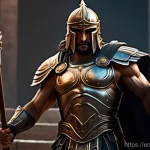
* An (Anu): Picture the ultimate CEO of the cosmos. An was the god of the sky, the supreme ruler of the Sumerian pantheon. He was so high up, though, that he rarely got directly involved in earthly affairs, leaving the day-to-day management to his underlings.
Think of him as that hands-off boss you only see at the annual holiday party. * Enlil: Now, Enlil was the powerhouse. God of the wind, storms, and agriculture, he was a force to be reckoned with.
He wasn’t always the nicest guy either; prone to fits of rage and responsible for that famous flood we all know from the Bible, and other flood stories from around the world.
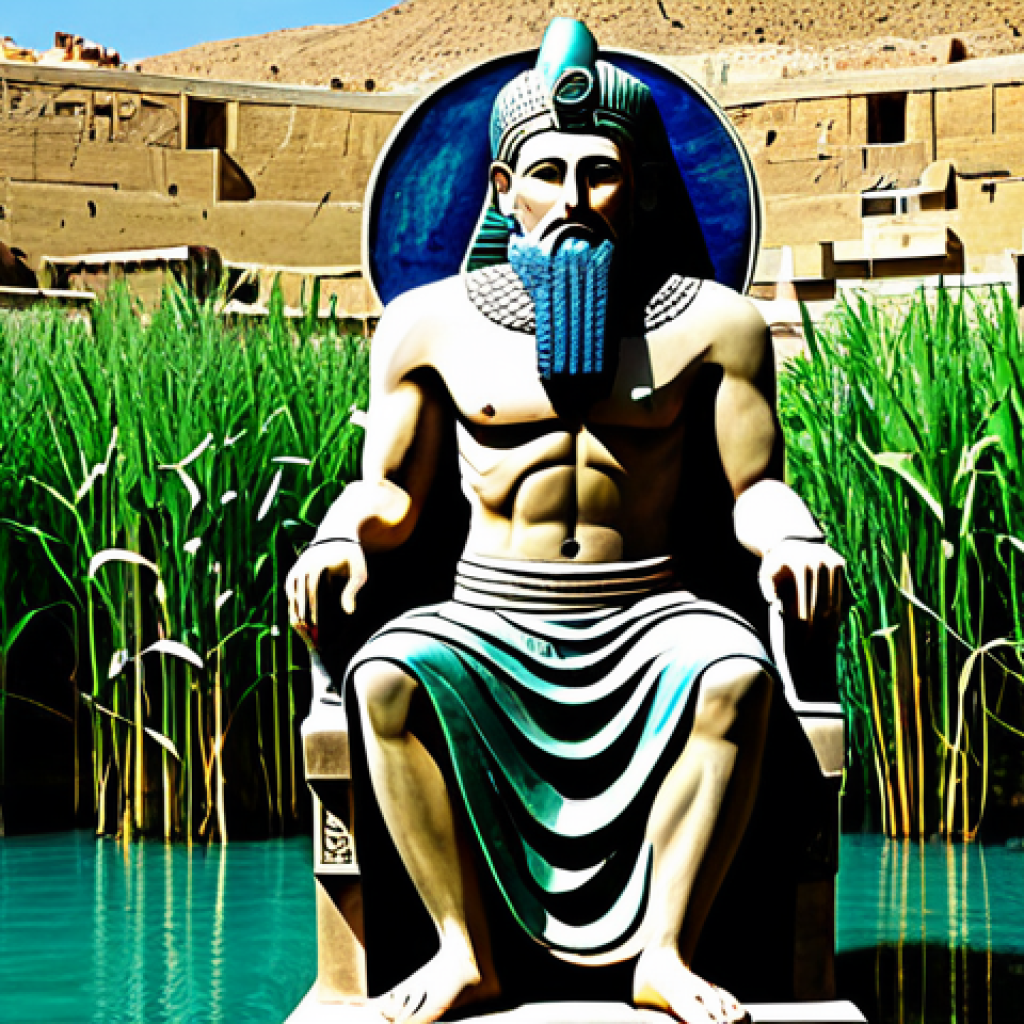
Farmers both respected and feared him, praying for good harvests while desperately trying to avoid his wrath. * Enki (Ea): Here’s the brains of the operation.
Enki was the god of wisdom, magic, and fresh water – basically, the lifeblood of Sumerian civilization. He was known for his cleverness and his role as a protector of humanity, often stepping in to save them from Enlil’s bad moods.
If the Sumerians had an IT department, Enki would definitely be in charge.
Inanna: Goddess of Love, War, and Everything In Between
Inanna is arguably the most complex and compelling goddess in Sumerian mythology. She ruled over love, beauty, sex, war, justice, and political power.
Her story is filled with drama, including a famous descent into the underworld, where she faced death and rebirth. To me, Inanna is like the original multifaceted female character, breaking the mold of simple goddess archetypes.
Her worship was wildly popular, and rituals honoring her were a big part of Sumerian life.
Unpacking the Epic: Key Themes and Motifs in Gilgamesh
The Epic of Gilgamesh isn’t just an adventure story; it grapples with universal themes that continue to resonate with us today. Think about it, thousands of years later, we’re still asking the same questions about life, death, and what it all means.
That’s the power of this epic. When I first read it, I was struck by how relatable Gilgamesh’s struggles were, even though he’s a mythical king from ancient Mesopotamia.
Friendship and Companionship: The Bond Between Gilgamesh and Enkidu
* At its core, the Epic of Gilgamesh is a story about friendship. Gilgamesh, initially portrayed as an arrogant and oppressive ruler, finds redemption through his bond with Enkidu.
Their relationship is intense, transforming Gilgamesh from a tyrant into a more compassionate leader. This theme highlights the importance of human connection and the transformative power of true friendship.
* Enkidu, the wild man tamed by civilization, serves as a foil to Gilgamesh. He brings humility and perspective to the king’s life, grounding him and challenging his hubris.
Together, they embark on daring adventures, facing monsters and gods, proving that even the strongest individuals need companionship. * The death of Enkidu is a pivotal moment in the epic, triggering Gilgamesh’s quest for immortality.
This loss underscores the fragility of human life and the profound impact of grief, driving the narrative forward and shaping Gilgamesh’s ultimate journey.
The Quest for Immortality: Confronting Mortality and Legacy
* The fear of death is a powerful motivator in the Epic of Gilgamesh. After Enkidu’s death, Gilgamesh becomes obsessed with finding a way to escape mortality.
This quest leads him on a journey to the ends of the earth, seeking answers from the wise Utnapishtim, the only human to have been granted eternal life by the gods.
* Gilgamesh’s journey is filled with challenges and setbacks, forcing him to confront his own limitations and the inevitability of death. He learns that true immortality lies not in physical existence but in the legacy one leaves behind.
This realization marks a turning point in his character arc, as he shifts his focus from personal gain to the well-being of his people. * Ultimately, Gilgamesh returns to Uruk, a changed man.
He understands that while he cannot escape death, he can ensure that his city and his name live on through his accomplishments. This acceptance of mortality is a powerful message, reminding us to focus on the present and make the most of our limited time.
The Great Flood: Echoes of Ancient Cataclysms
The story of the Great Flood appears in many cultures, and the Sumerian version, as told in the Epic of Gilgamesh, is one of the earliest. It’s a tale of divine wrath and human survival.
Thinking about it, these stories probably came from real floods that happened, and people tried to make sense of them through their beliefs.
Divine Displeasure and the Deluge
* In the Sumerian myth, the flood is sent by the gods, particularly Enlil, who is fed up with the noise and overpopulation of humanity. Sounds like a grumpy neighbor, right?
They decide the only solution is to wipe everyone out and start over. * However, Enki, the god of wisdom, secretly warns Utnapishtim (the Sumerian Noah) about the impending disaster.
He instructs him to build an ark and save his family and animals. This act of compassion highlights Enki’s role as a protector of humanity, even against the will of the other gods.
Utnapishtim’s Ark and the Aftermath
* Utnapishtim follows Enki’s instructions, builds a massive ark, and weathers the storm. The flood lasts for days, devastating the land and wiping out most of humanity.
It’s a pretty bleak picture, showing the destructive power of nature and the fragility of human existence. * After the flood subsides, Utnapishtim releases birds to find land, eventually landing on a mountaintop.
He offers sacrifices to the gods, who are remorseful for their actions. As a reward for his survival, Utnapishtim and his wife are granted immortality, living proof that humans can overcome even the most catastrophic events.
Sumerian Society Reflected: Insights into Daily Life
Sumerian myths weren’t just stories; they were mirrors reflecting the values, beliefs, and daily lives of the people who created them. When you read these tales, you get a glimpse into what mattered to the Sumerians, from agriculture to social order.
It’s like reading a very old anthropological study disguised as entertainment.
Agriculture and the Land
* Given that Sumer was an agricultural society, it’s not surprising that many myths revolve around fertility, harvests, and the forces of nature. Gods like Enlil, who controlled the weather, were central to their lives.
If Enlil was happy, the crops grew; if he was angry, famine loomed. * The importance of irrigation is also evident. Sumerians developed sophisticated systems of canals and waterways to manage the flow of water from the Tigris and Euphrates rivers.
The god Enki, associated with fresh water, was therefore highly revered, as water was essential for their survival.
Social Hierarchy and Kingship
* Sumerian society was highly structured, with a clear hierarchy. The myths often reinforce this social order, with gods at the top, followed by kings, priests, and commoners.
Gilgamesh himself, as a king, embodies the ideal ruler (at least after his character development). * Kings were seen as intermediaries between the gods and the people.
They were responsible for maintaining order, building temples, and ensuring the well-being of their cities. The Epic of Gilgamesh explores the responsibilities and challenges of kingship, showing that even the most powerful rulers are not immune to human flaws and mortality.
The Enduring Legacy: Sumerian Influence on Later Cultures
The Sumerians might be long gone, but their impact on civilization is undeniable. From writing to mythology, their innovations and stories have left a lasting legacy on later cultures.
It’s humbling to think that ideas born thousands of years ago still influence us today. When you see echoes of Sumerian myths in later stories, you realize just how foundational their culture was.
Transmission of Myths and Motifs
* Many Sumerian myths and motifs found their way into later Mesopotamian, Greek, and even biblical narratives. The story of the Great Flood, for example, appears in the Epic of Gilgamesh long before it shows up in the Book of Genesis.
This suggests a cultural exchange and transmission of ideas across different civilizations. * Other recurring themes, such as the hero’s journey, the battle between good and evil, and the quest for immortality, can be traced back to Sumerian mythology.
These archetypal narratives continue to resonate in modern literature, film, and art, demonstrating the enduring power of these ancient stories.
Contributions to Literature and Religion
* The Sumerians are credited with developing the earliest known form of writing, cuneiform. This invention not only allowed them to record their myths and legends but also laid the foundation for the development of literature and historical documentation.
* Their religious beliefs and practices, including the worship of multiple gods and the construction of monumental temples (ziggurats), influenced later religious traditions in the region.
The concept of a pantheon of gods, each with specific roles and responsibilities, is a common feature in many ancient religions.
Exploring the Underworld: Journeys to the Land of the Dead
The Sumerian concept of the underworld, known as Kur, was a dark and dreary place, a far cry from the idyllic heavens of other mythologies. Journeys to Kur were perilous and often irreversible, making it a fascinating aspect of Sumerian mythology.
I always found the Sumerian underworld to be particularly unsettling; it’s not just a place of death, but a shadow version of life, stripped of joy and vitality.
The Descent of Inanna
* One of the most famous underworld myths is the Descent of Inanna. Inanna, the queen of heaven and earth, decides to journey to Kur for reasons that are still debated among scholars.
Some believe she was seeking to expand her power, while others suggest she was attending the funeral of her sister’s husband. * Whatever her motivation, Inanna’s journey is fraught with danger.
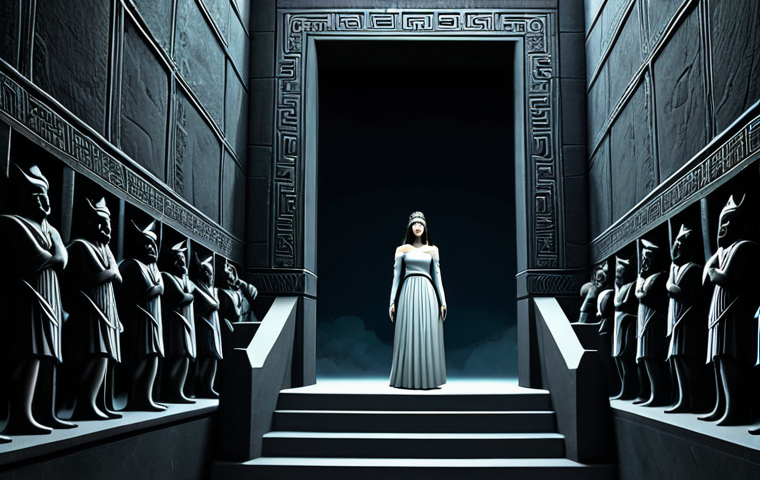
She must pass through seven gates, each guarded by a gatekeeper who demands she remove an item of clothing or jewelry. By the time she reaches the throne of Ereshkigal, the queen of the underworld, she is stripped bare and vulnerable.
Confrontation with Ereshkigal and Resurrection
* Inanna is judged by Ereshkigal and the Anunnaki, the judges of the underworld, and is killed. Her body is hung on a hook, left to rot. This act symbolizes the loss of fertility and the stagnation of life on earth.
* However, Inanna’s faithful servant Ninshubur appeals to the gods for help. Enki intervenes, creating two sexless creatures to appease Ereshkigal. They sprinkle the water of life and the food of life on Inanna’s body, resurrecting her.
But to leave the underworld, Inanna must find a replacement, leading to further complications.
Gilgamesh as a Historical Figure: Separating Myth from Reality
While the Epic of Gilgamesh is undoubtedly a work of fiction, some scholars believe that Gilgamesh was based on a real historical figure. Separating the myth from the reality is a challenging but intriguing task.
Thinking about it, it’s fascinating how a real person can become a legend, their deeds exaggerated and woven into fantastical stories.
Evidence for a Real Gilgamesh
* The Sumerian King List mentions a king named Gilgamesh who ruled in Uruk around 2700 BCE. While this list is not entirely reliable, it suggests that Gilgamesh was a recognized figure in Sumerian history.
* Archaeological evidence from Uruk supports the existence of a powerful and influential ruler during this period. The city was a major urban center, and its construction and development may have been overseen by a king like Gilgamesh.
The Blurring of Fact and Fiction
* Over time, the historical Gilgamesh likely became the subject of myths and legends. His accomplishments were exaggerated, and fantastical elements were added to his story.
The Epic of Gilgamesh, as we know it today, is a product of this process. * It’s important to remember that ancient cultures often blurred the lines between fact and fiction.
Myths were not just stories; they were also a way of explaining the world and conveying moral and religious lessons. So, while we may never know the full extent of Gilgamesh’s historical reality, his story continues to captivate and inspire us today.
| Deity | Role | Characteristics |
|---|---|---|
| An (Anu) | God of the Sky | Supreme ruler, distant and uninvolved |
| Enlil | God of Wind and Storms | Powerful, volatile, responsible for the flood |
| Enki (Ea) | God of Wisdom and Water | Clever, compassionate, protector of humanity |
| Inanna | Goddess of Love and War | Complex, multifaceted, travels to the underworld |
Decoding Sumerian mythology is like peeling back layers of history, belief, and human ingenuity. These myths are not just relics of the past; they offer timeless insights into the human condition.
Exploring these ancient narratives has personally enriched my understanding of civilization’s roots and the enduring power of storytelling. I hope this dive into the Sumerian pantheon and their epic tales has sparked your curiosity to delve deeper into this fascinating world!
Wrapping Up
Exploring Sumerian mythology is not just about understanding ancient gods and heroes, but also about appreciating the profound impact these stories have had on subsequent cultures. From the Epic of Gilgamesh to the tale of the Great Flood, these narratives continue to resonate with us today. If you’re looking for more mythology to explore, diving into Egyptian or Greek myths might be a great next step.
Handy Tips to Know
1. Visit the British Museum in London or the Louvre in Paris to see Sumerian artifacts up close.
2. Check out online resources like the Electronic Text Corpus of Sumerian Literature (ETCSL) for translations of Sumerian texts.
3. Read “Myths of Mesopotamia” by Stephanie Dalley for a comprehensive overview of Sumerian mythology.
4. Join online forums and communities dedicated to ancient history and mythology to discuss your findings and learn from others.
5. Watch documentaries on ancient civilizations to gain a visual understanding of Sumerian culture and society.
Key Takeaways
The Sumerian pantheon includes powerful deities like An (Anu), Enlil, Enki (Ea), and Inanna, each with distinct roles and responsibilities. The Epic of Gilgamesh explores universal themes such as friendship, mortality, and the quest for immortality. The Sumerian version of the Great Flood is one of the earliest known versions of this myth. Sumerian myths reflect the daily lives, values, and social structures of Sumerian society. Sumerian mythology has had a lasting influence on later cultures, including Mesopotamian, Greek, and biblical traditions.
Frequently Asked Questions (FAQ) 📖
Q: So, who exactly were these Sumerians, and why should I care about their myths?
A: Okay, imagine the OG civilization – that’s the Sumerians! We’re talking about a society that flourished in ancient Mesopotamia (modern-day Iraq) way back around 4500 BC.
They practically invented writing, developed sophisticated irrigation systems, and built impressive ziggurats. Their mythology? Think of it as their way of explaining the world: why we’re here, what’s good and evil, and what happens after we die.
It’s not just ancient mumbo-jumbo; it’s the bedrock of many later myths and stories, even influencing our own culture in ways we might not realize! I was honestly floored when I learned just how much they contributed.
Q: Gilgamesh, huh? Is that like some super-old comic book hero, or what’s the deal?
A: Kind of, but way more profound! Gilgamesh was a king, a demi-god (two-thirds god, one-third human, pretty awesome, right?), who ruled the city of Uruk.
The “Epic of Gilgamesh” is his story, a wild ride where he goes from being a bit of a jerk to facing his own mortality. Think of it as the first real exploration of the human condition in literature.
It deals with friendship, loss, the fear of death, and the search for eternal life. Seriously, it’s a page-turner, even though it’s on clay tablets. I remember reading it for the first time in college and being completely hooked – it’s way more gripping than you’d expect.
Q: Eternal life, you say? Did Gilgamesh find it?
A: nd what’s the takeaway for me, a regular person living in 2024? A3: Well, spoiler alert: Gilgamesh doesn’t exactly find the fountain of youth. He gets close, but ultimately realizes that immortality isn’t about living forever physically, but about leaving a lasting legacy through his deeds and contributions to society.
The takeaway? It’s a powerful reminder to focus on the here and now, to value relationships, and to make a meaningful impact while you’re here. It’s a bummer he didn’t get to live forever, but the message is still pretty inspiring!
I’ve been trying to live my life with that in mind ever since I studied the epic; it makes a difference, trust me.
📚 References
Wikipedia Encyclopedia